








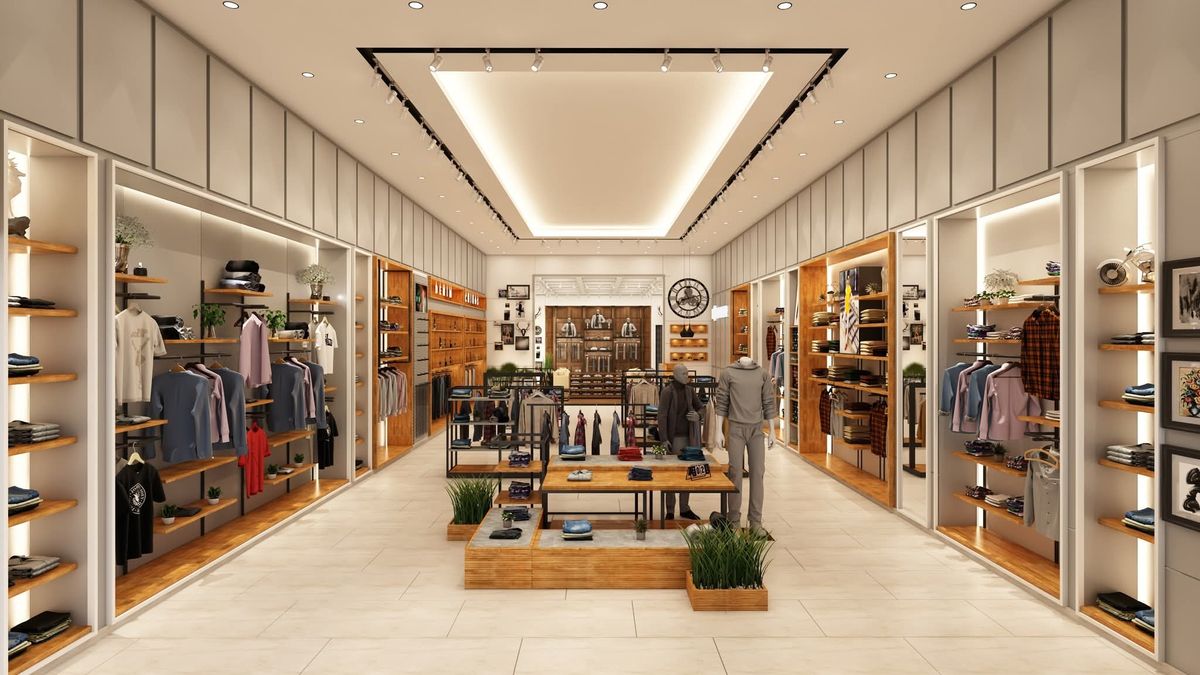
Retail is experiencing one of the biggest transformations in recent decades. While price, assortment, or location used to be the main advantages of a store, today the key factor is customer experience. Consumers expect not just a purchase — they want interaction, personalization, and эмоtion. That is why AR, VR, 3D, and AI technologies are no longer considered “innovations of the future,” but are becoming real business tools that influence customer behavior here and now.
Modern consumers increasingly choose brands that allow them to quickly evaluate a product, “try it on” online, receive personalized recommendations, or see the product in their own space before purchasing. All of this is shaping a new consumption model where the boundary between offline and online retail is gradually disappearing.
How Consumer Behavior Is Changing
Today, customers make decisions faster, but at the same time expect greater confidence in their purchases. This is especially relevant for fashion retail, cosmetics, furniture, accessories, and electronics. People want to understand how a product will look specifically for them, whether it matches their size, style, or color preferences.
Because of this, traditional product photos no longer provide a sufficient level of engagement. Users expect interactivity: the ability to rotate a model, interact with a product in real space, or receive instant recommendations based on their preferences.
According to many market analysts, interactive content significantly increases conversion rates and reduces product returns. The reason is simple: buyers better understand what exactly they are purchasing.
AR in Retail: A New Standard of Interaction
Augmented Reality (AR) has become one of the most noticeable trends in modern retail. It allows businesses to combine the physical world with digital objects in real time.
One of the most popular solutions today is Web AR. This technology allows AR experiences to run directly in a browser without the need to install a separate application. For customers, this means minimal barriers: all they need to do is open a link or scan a QR code.
For example, in furniture retail, Web AR allows customers to “place” a sofa or table in their own room through a smartphone camera. In the fashion segment, users can try on glasses, shoes, or accessories. This approach significantly shortens the path to purchase and makes online shopping more confident.
Another important direction is AR App — mobile applications with integrated AR functionality. These apps create deeper personalized experiences, collect behavioral analytics, and integrate loyalty programs.
For brands, this is not only a marketing tool but also a way to increase sales. When customers see a product “in their own environment,” the level of emotional attachment to the product increases significantly.
AR Mirror: Digital Mirrors in Stores
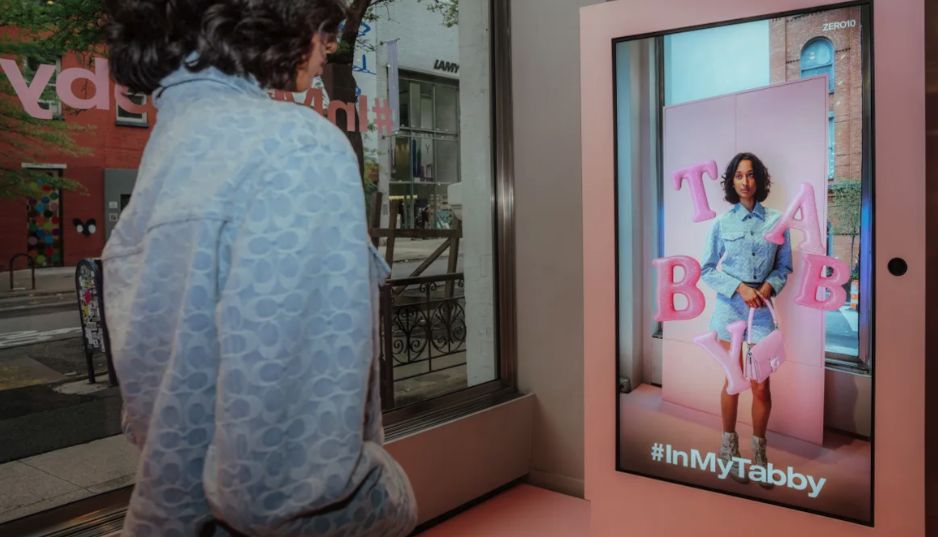
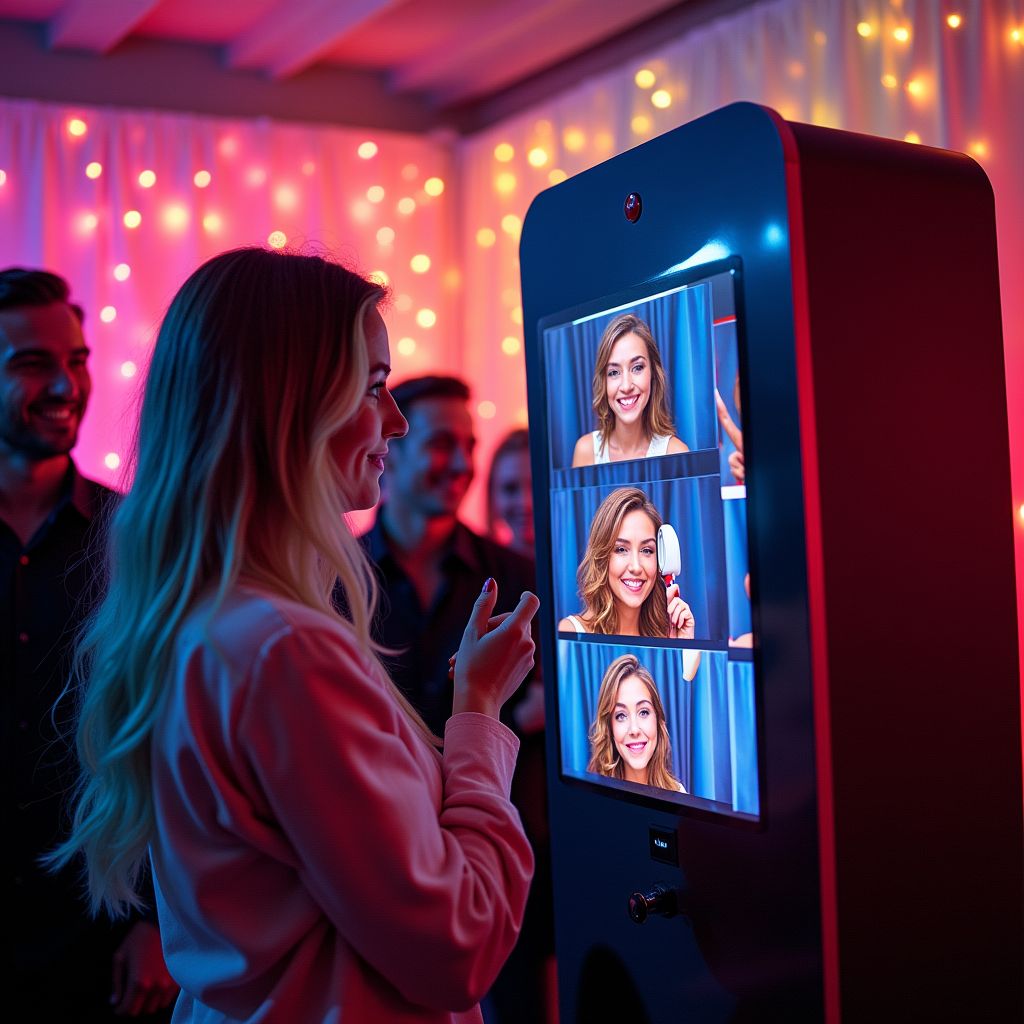
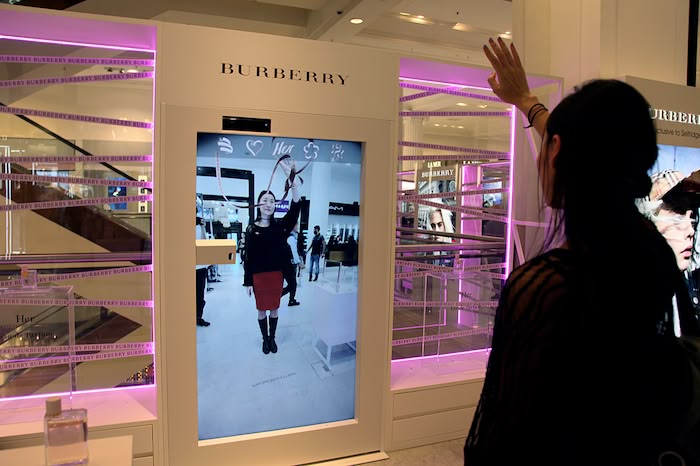
One of the most interesting technological solutions for offline retail is AR Mirror — interactive mirrors powered by augmented reality.
These solutions are already actively used in fashion and beauty retail. Customers can try on clothes, cosmetics, jewelry, or accessories without physically interacting with the product. The system overlays digital objects onto a person’s reflection in real time.
The advantages of AR Mirror are obvious:
- accelerating the decision-making process;
- increasing customer engagement;
- creating a wow effect;
- reducing staff workload;
- collecting behavioral analytics.
After the pandemic, contactless experiences became especially important for consumers. That is why interactive mirrors are gradually moving from the category of “marketing novelty” to a full-fledged sales tool.
In addition, AR Mirror helps brands create a unique customer experience that competitors find difficult to replicate.
3D Production as the Foundation of Digital Retail
The development of AR and VR is impossible without high-quality 3D content. That is why 3D Production is becoming a strategically important direction for retail.
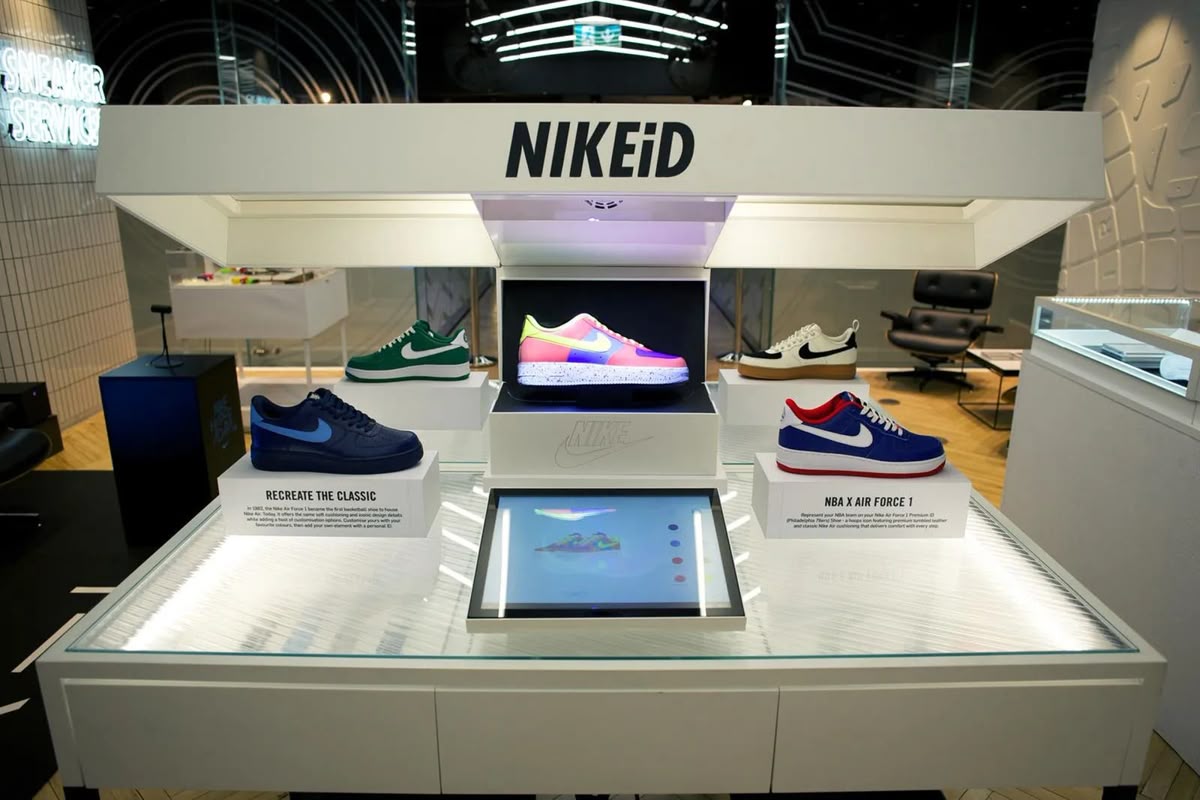
3D product models make it possible to create realistic interactive product presentations. Customers can examine products from every angle, change colors, textures, or configurations.
For e-commerce, this is especially important because high-quality 3D content partially compensates for the lack of physical interaction with a product.
Moreover, 3D Production allows brands to:
- launch new collections faster;
- create digital showrooms;
- optimize photo production;
- use the same content simultaneously for websites, AR, VR, and marketing;
- test new products before manufacturing.
Brands are increasingly adopting a “digital-first” model, where a digital version of the product is created before the physical product itself.
VR and a New Level of Immersion
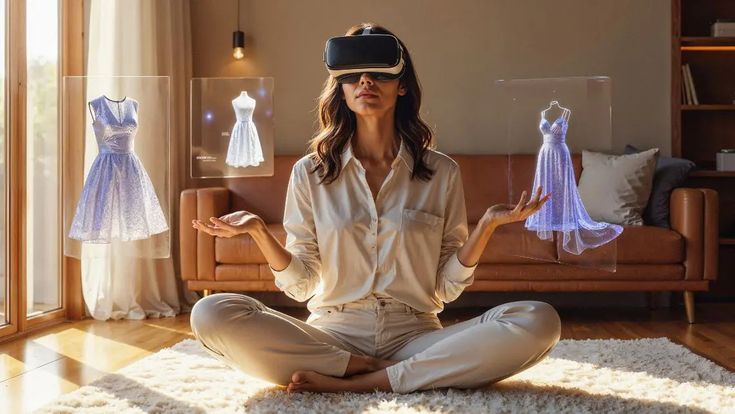
Virtual Reality (VR) is still less widely integrated into retail than AR, but its potential is enormous. VR creates a completely digital environment where customers can interact with products and brands.
Most often, VR is used for:
- virtual showrooms;
- new collection presentations;
- immersive shopping experiences;
- virtual stores;
- employee training.
VR is developing especially actively in the luxury segment and automotive retail. For example, customers can “visit” a virtual car showroom, customize a vehicle configuration, and test it in a digital environment.
In the future, VR may become an important part of the metaverse, where retail will be integrated into next-generation digital ecosystems.
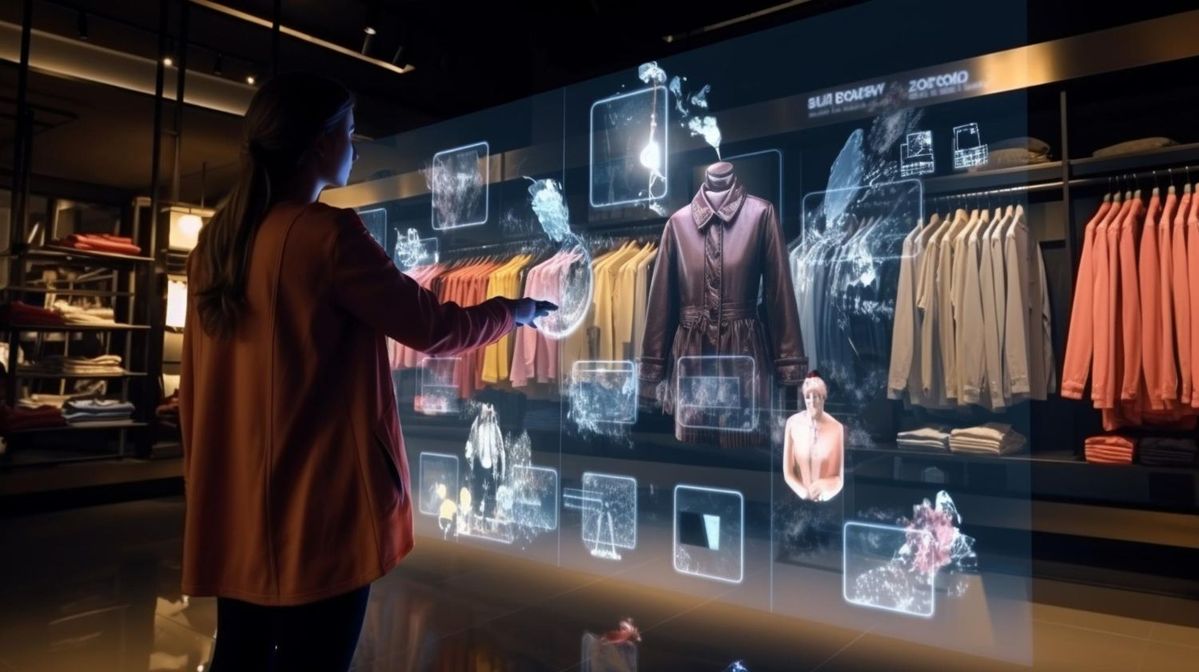
AI: Personalization as the Main Competitive Advantage
Artificial Intelligence is already changing the principles of retail operations today. AI analyzes user behavior, predicts demand, personalizes recommendations, and automates communication.
AI is what makes AR and VR solutions more effective. For example:
- AI can recommend products based on user style;
- analyze customer reactions;
- predict purchase probability;
- create personalized AR scenarios;
- automatically generate 3D content.
In fashion retail, AI is already used for virtual styling, size recommendations, and personalized suggestions. In the beauty segment, it helps analyze skin types and recommend cosmetics through AR.
For businesses, this means not only increased sales but also a deeper understanding of their audience.
Omnichannel as the New Standard
One of the main trends in modern retail is the integration of online and offline experiences into a single ecosystem. Customers no longer separate an “online store” from a “physical store.” For them, the brand must feel unified.
AR, VR, AI, and 3D solutions help create exactly this seamless experience. A customer can:
- see an advertisement on social media;
- open a Web AR experience;
- try on a product;
- save it in an app;
- visit an offline store;
- receive personalized recommendations through an AR Mirror.
All of this creates a new type of interaction between brands and consumers.
What’s Next for Retail
Technologies will continue integrating even deeper into the customer journey. In the coming years, the market is expected to see:
- mass adoption of AI personalization;
- the development of spatial commerce;
- wider adoption of app-free Web AR;
- growing importance of digital avatars;
- integration of retail into the metaverse;
- automation of 3D content creation.
Consumers will become increasingly demanding regarding brand interactions. That is why technology is no longer an “additional option” but a fundamental necessity for competitive retail.
The future of retail is being shaped today. AR, VR, 3D, and AI are radically changing the way people interact with products and brands. Web AR, AR Apps, AR Mirrors, and 3D Production help create more interactive, personalized, and emotional shopping experiences.
For businesses, this is not just a technological trend but a real growth tool: increasing conversion rates, reducing returns, improving customer experience, and strengthening customer loyalty.
In the coming years, the retail companies that succeed will be those capable of doing more than simply selling products — they will create next-generation digital experiences.