








Just a few years ago, virtual reality was primarily associated with gaming and entertainment. Today, the situation has changed dramatically. VR technologies are increasingly being used in manufacturing, healthcare, logistics, agriculture, transportation, technical education, and corporate training.
The reason is simple: wherever training is complex, equipment is expensive, and mistakes can cost a company significant resources, or even human lives, a safe environment for practice is essential.
That is why more and more companies are implementing VR simulators for employee training, practicing complex scenarios, working with equipment, and demonstrating products.
What business challenges are VR simulators solving today? Let’s take a closer look.
What Is a VR Simulator in Simple Terms?
A VR simulator is a digital environment in which a person can practice actions, processes, or scenarios in conditions that closely resemble reality.
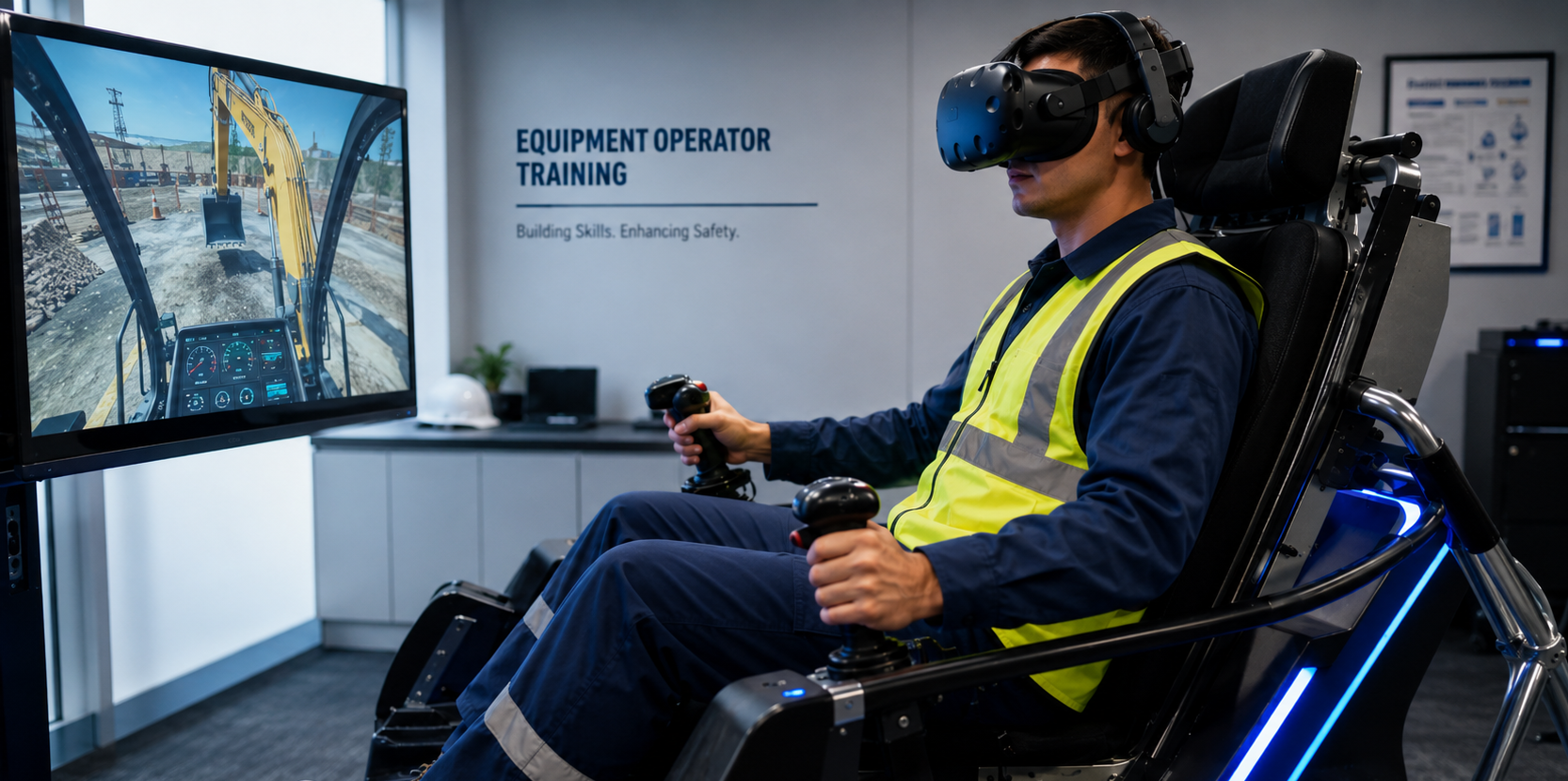
The user puts on a VR headset and enters a virtual space where they can see the surrounding environment and interact with objects, equipment, or other participants in the process. To enhance realism, controllers, motion sensors, and other devices may also be used.
The foundation of such a solution is the creation of a virtual 3D environment that recreates a real object, facility, production area, or technical process. This involves the use of 3D models, animations, interaction logic programming, and specialized platforms for VR content development.
Unlike video or traditional e-learning, where a person mainly watches or reads information, VR allows them to act.
In VR, people do not read instructions, they practice actions.
This feature makes VR simulators one of the most effective tools for training and workforce development.
Why Businesses Invest in VR Simulators
Virtual reality works best where training is complex or involves risk.
Companies typically implement VR simulators when:
- training takes a long time;
- equipment is expensive or difficult to access;
- mistakes can lead to downtime or accidents;
- employee safety is critical;
- training needs to be scaled quickly;
- extensive hands-on practice is required.
Recent corporate learning studies demonstrate significant advantages of VR-based training:
- up to 4 times faster learning compared to traditional methods;
- up to 40-60% lower training costs due to reduced use of physical equipment and resources;
- 3-4 times higher learner engagement;
- up to 50% fewer errors after training;
- up to 215% higher employee confidence when performing job tasks.
For businesses, this means not only better training outcomes but also a direct impact on productivity, safety, and operational efficiency.
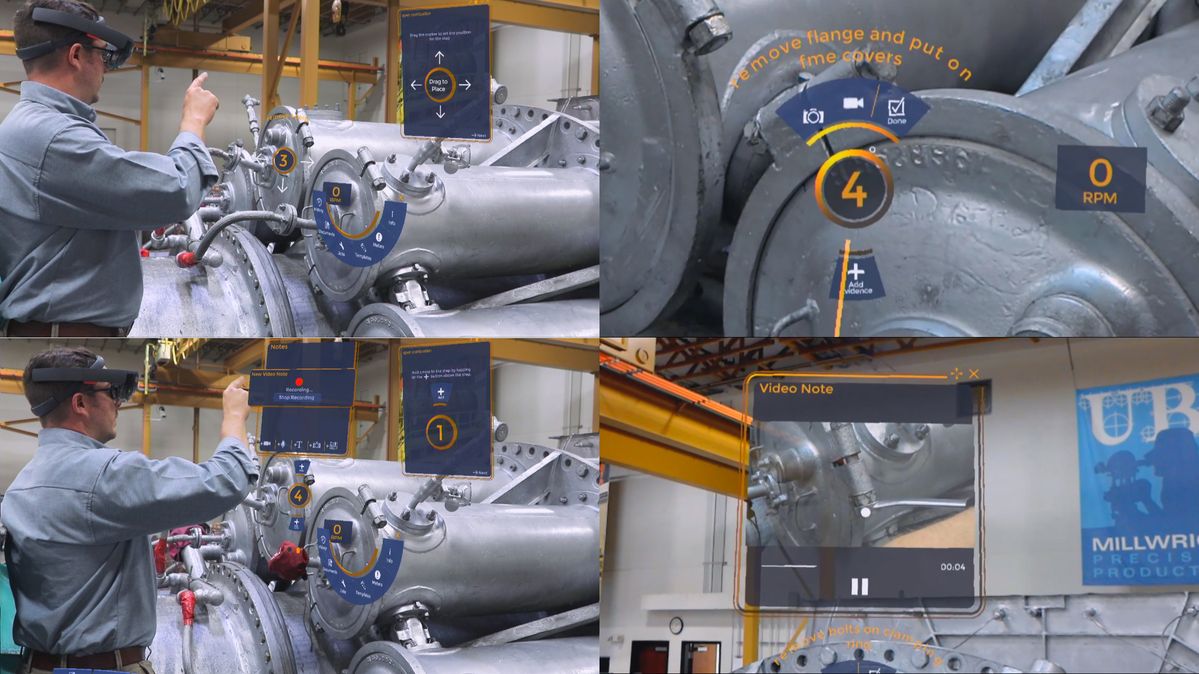
1. Manufacturing: Employee Training and Complex Processes
Manufacturing companies are among the largest users of VR technologies.
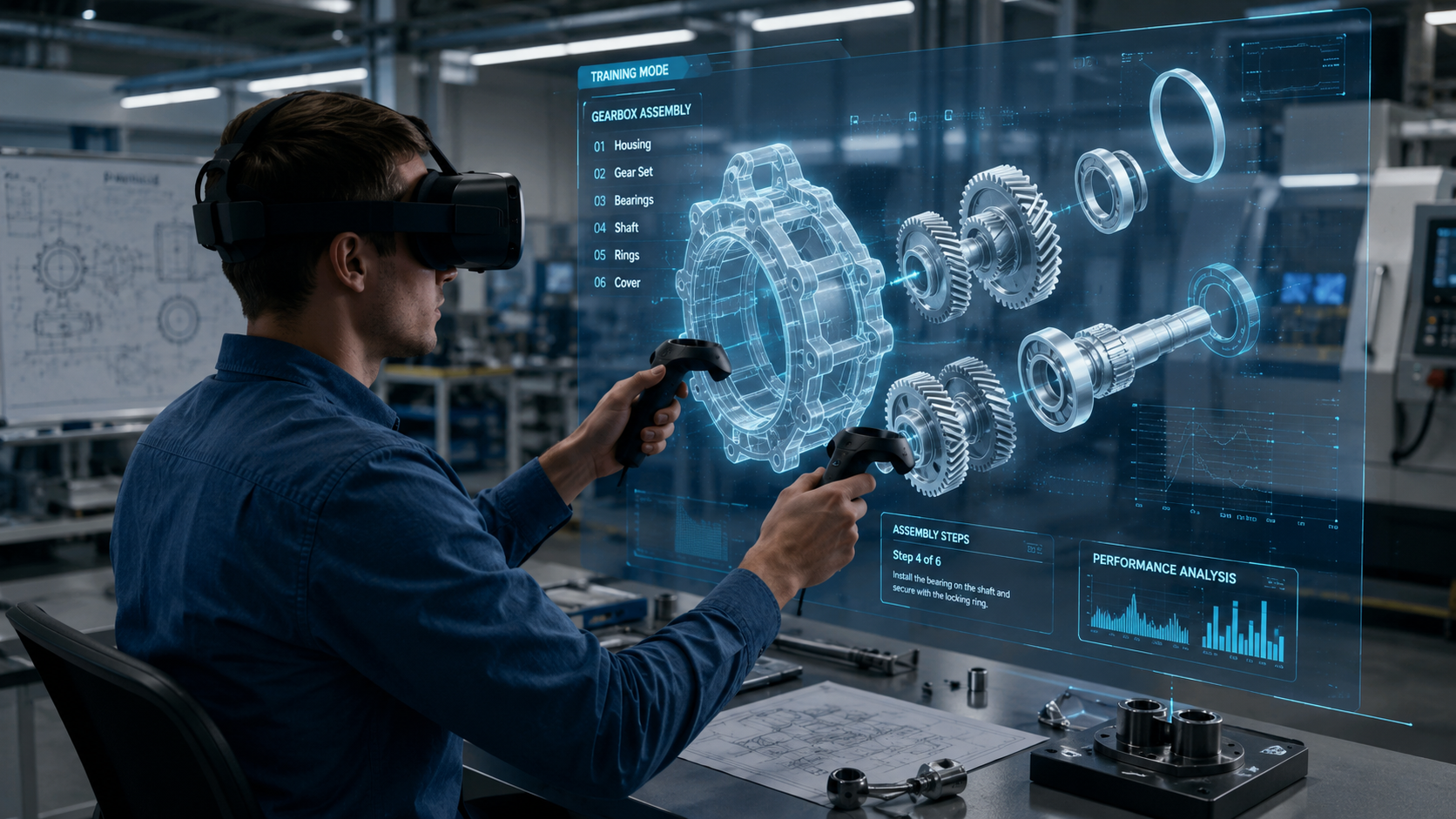
A modern VR simulator makes it possible to recreate a real production environment and train employees without involving actual equipment in the learning process.
VR can be used for:
- onboarding new employees;
- SOP and production procedure training;
- operating complex equipment;
- emergency response scenarios;
- workplace safety training;
- LOTO procedures;
- production line operations.
The creation of a VR environment becomes particularly valuable when equipment costs hundreds of thousands or even millions of dollars, and operator mistakes can lead to costly production downtime.
VR allows employees to practice skills repeatedly without risk to people or machinery.
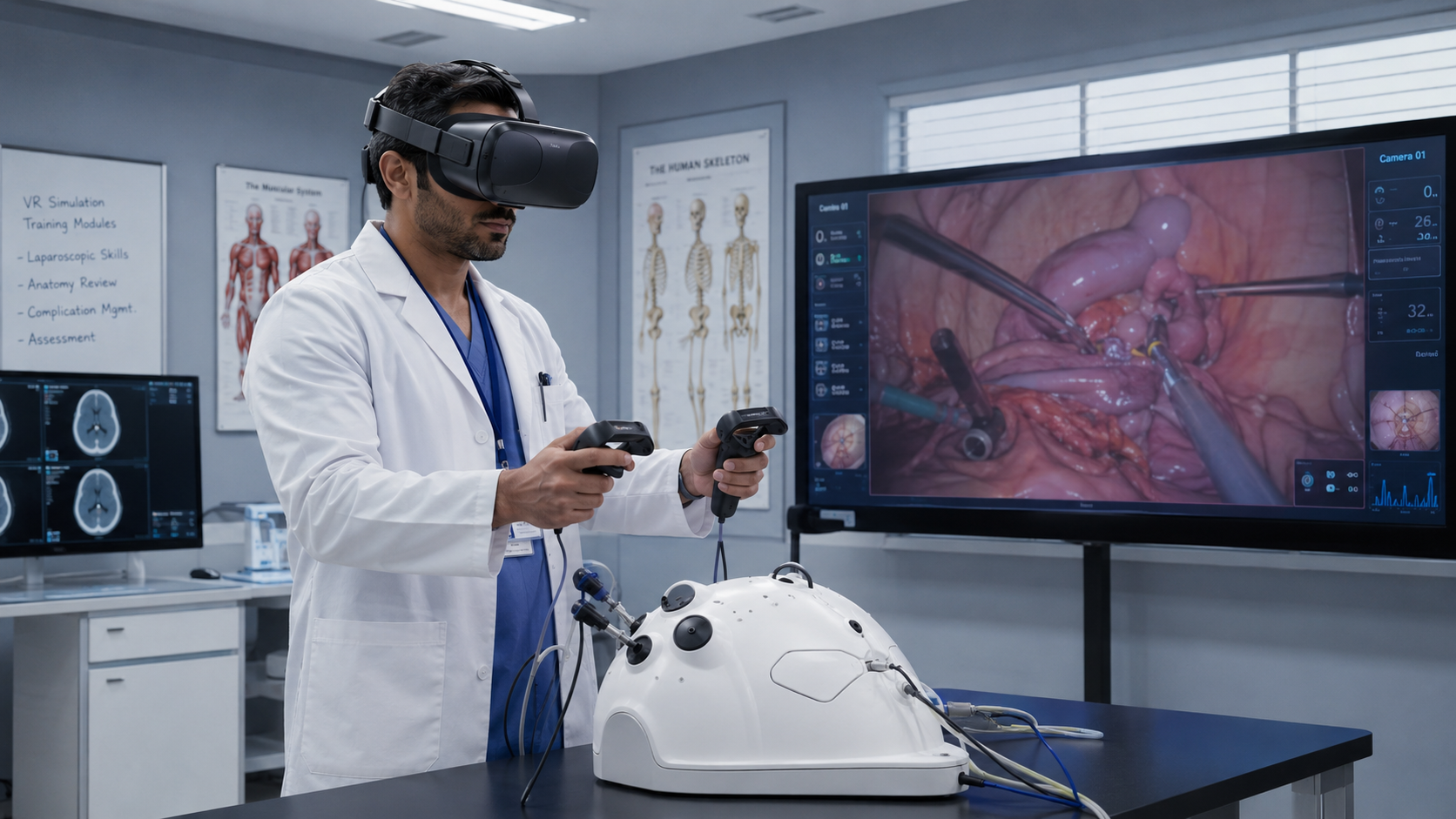
2. Healthcare: Training Without Risk to Patients
The healthcare industry actively uses VR for practical training.
Virtual environments can simulate:
- surgical procedures;
- emergency situations;
- rare clinical cases;
- operation of medical equipment;
- collaboration between medical team members.
The main advantage is the ability to develop practical skills without putting patients at risk.
Doctors can complete dozens of training sessions for the same scenario before encountering it in real life.
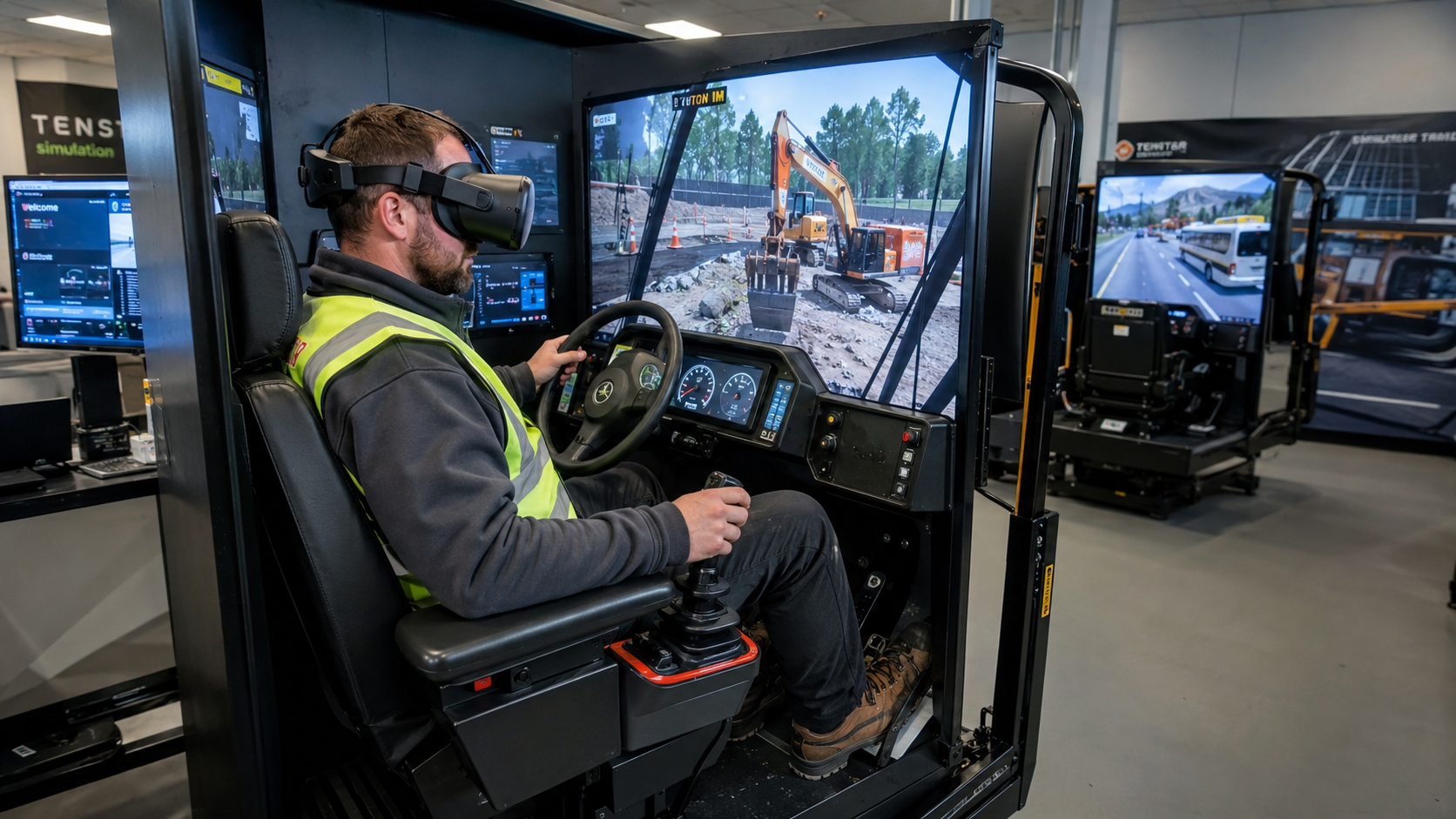
3. Operating Complex Equipment and Vehicles
Another major application of VR is training operators of machinery and transportation systems.
VR simulations can replicate:
- trains;
- aircraft;
- forklifts;
- specialized machinery;
- industrial machines;
- heavy industrial equipment.
These solutions make it possible to create a wide range of operational scenarios, including unusual situations and emergencies.
Employees gain practical experience without risking damage to equipment or creating hazardous situations.
4. Agriculture: Training for Complex Machinery Operations
Modern agricultural machinery is becoming increasingly sophisticated.
Training operators to work with combines, tractors, precision farming systems, and automated agricultural complexes often requires substantial resources.
VR helps organize training without sending employees into the field.
Virtual environments can be used to practice:
- combine operation;
- tractor setup and configuration;
- GPS system usage;
- operation of advanced agricultural equipment;
- fieldwork processes.
This approach reduces the risk of damaging expensive machinery while accelerating workforce training.
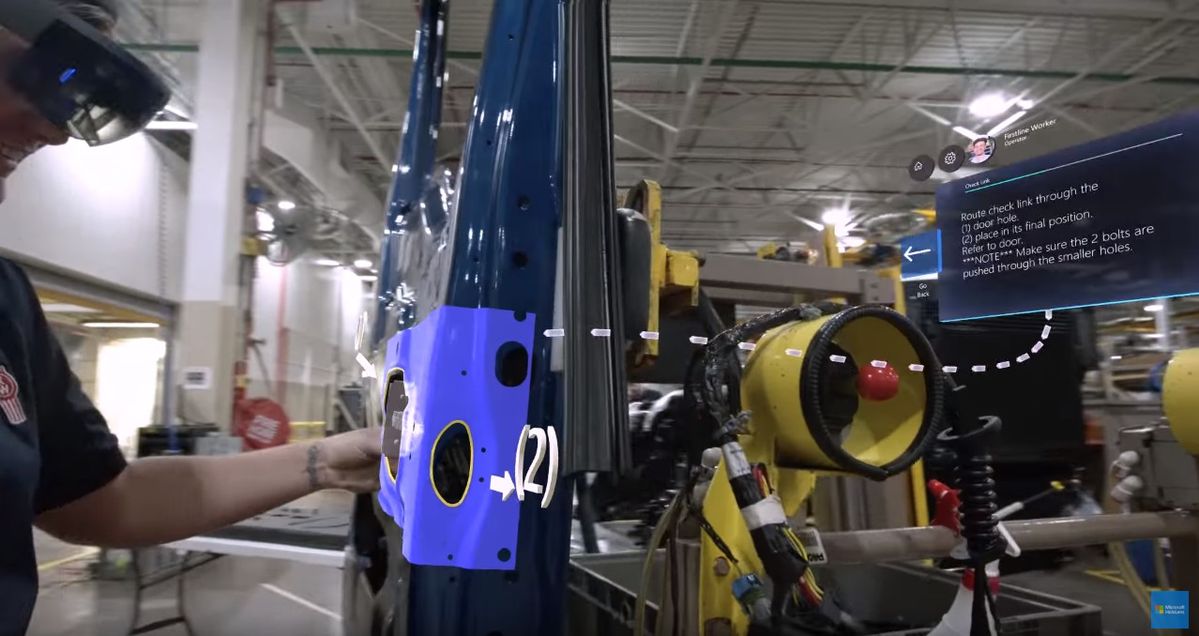
5. Logistics and Warehousing
In logistics and warehouse operations, speed and safety are top priorities.
VR simulators allow companies to recreate real warehouse scenarios and train personnel before they enter the workplace.
VR training can include:
- forklift operation;
- warehouse safety procedures;
- route planning;
- cargo handling;
- working under high workloads;
- complex logistics scenarios.
For companies, this means fewer mistakes, faster onboarding, and more standardized training processes.
6. Technical Education and Vocational Training
VR is becoming increasingly common in educational institutions and corporate learning programs.
The creation of a virtual 3D environment makes it possible to transfer processes into VR that would otherwise be difficult or expensive to reproduce physically.
Examples include:
- laboratory exercises;
- robotics training;
- engineering disciplines;
- operation of expensive equipment;
- hazardous experiments.
In many cases, VR significantly expands access to hands-on practice without requiring major investments in physical infrastructure.
7. Sales and Demonstration of Complex Products
Not all VR applications are related to training.
For many companies, demonstrating a product, manufacturing facility, or technological process to customers can be challenging.
Especially when:
- equipment is very large;
- manufacturing facilities are located abroad;
- products are difficult to transport;
- demonstrations require physical presence;
- sales are conducted internationally.
In such situations, immersive technologies help make presentations more accessible and easier to understand.
Companies can implement:
- virtual factory tours;
- large equipment presentations;
- demonstrations of complex technological processes;
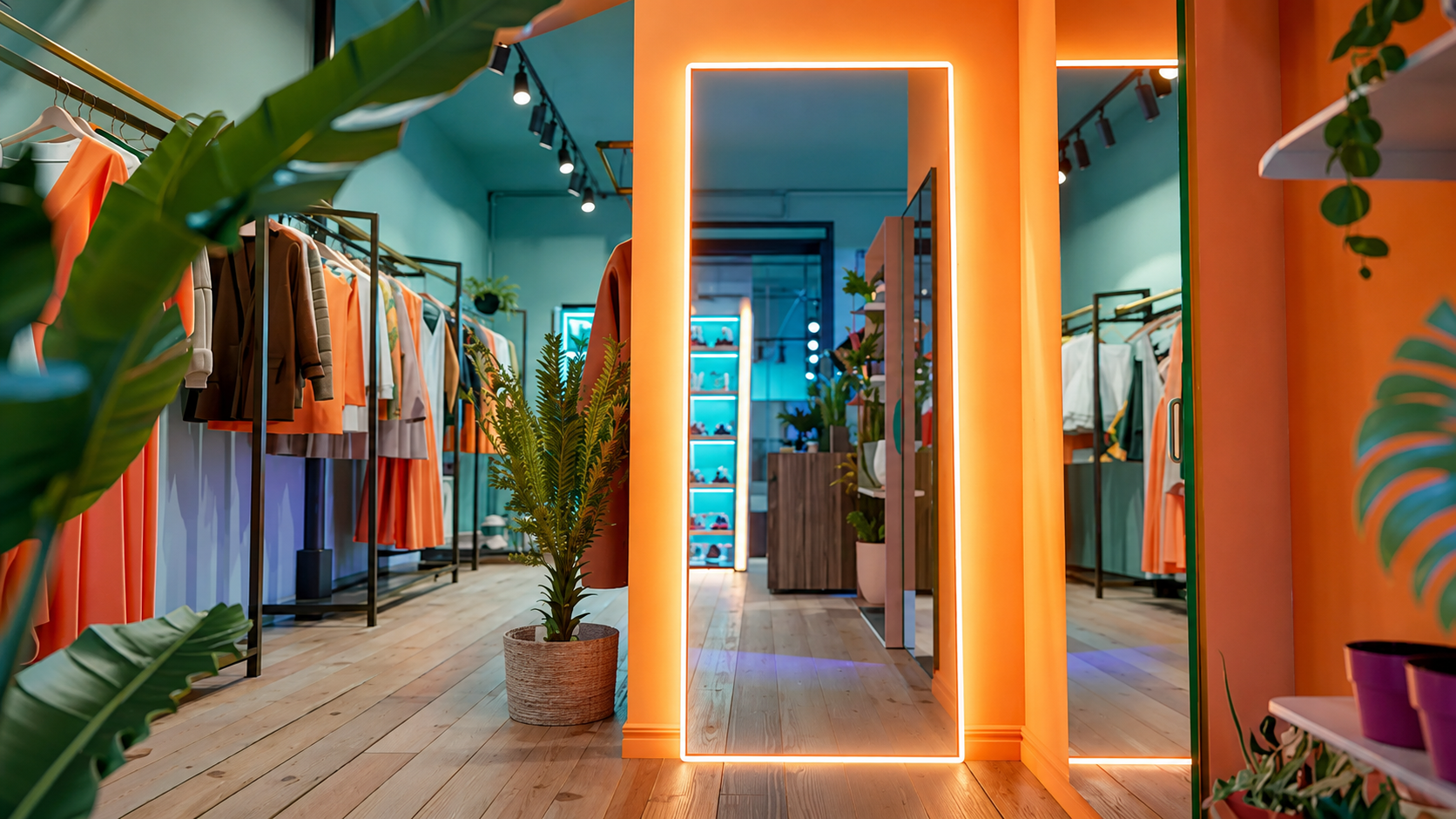
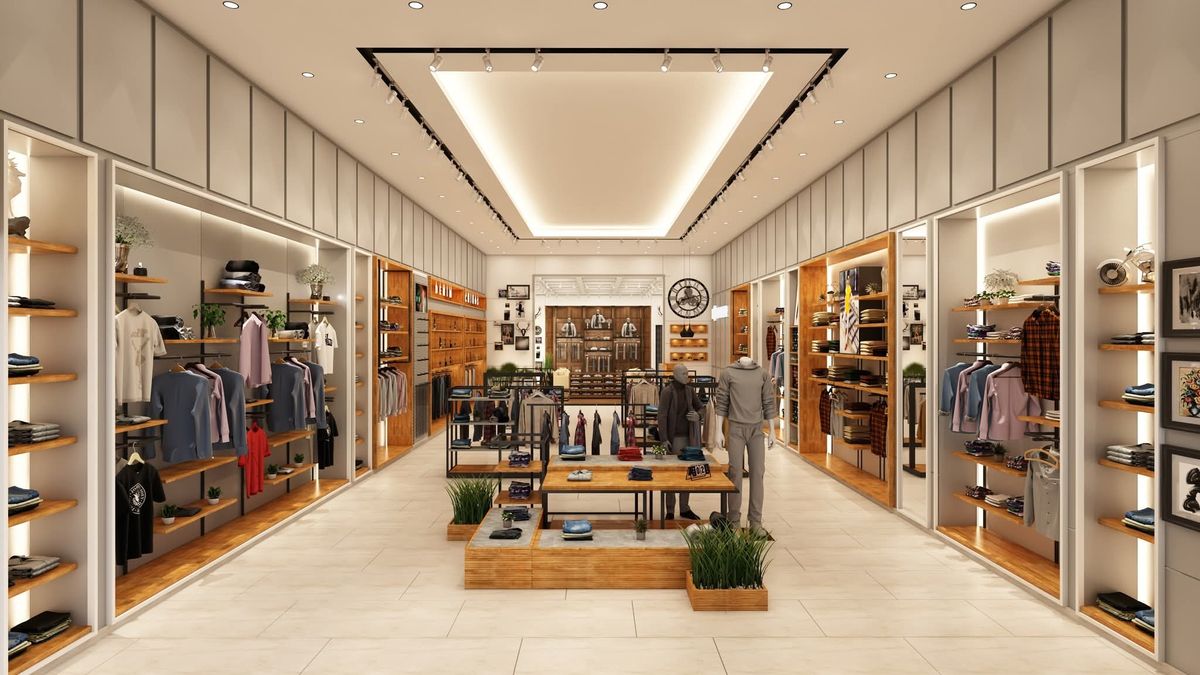
- virtual showrooms;
- international trade show presentations;
- infrastructure project demonstrations;
- remote sales experiences.
What Solutions Do Companies Use?
When the goal is to showcase a space, production facility, or physical asset, businesses often use 360° VR video.
This format allows viewers to take a virtual tour and experience the environment as realistically as possible.
When interaction with equipment or practicing actions is required, companies use VR simulators.
Examples include:
- virtual factory tours for international customers;
- equipment presentations at exhibitions;
- technology demonstrations for investors;
- showcasing complex products without physical travel.
Learn more about 360° VR video for business — https://www.adv.ua/en/solutions/vr-360-video/
When Should a Business Consider a VR Simulator?
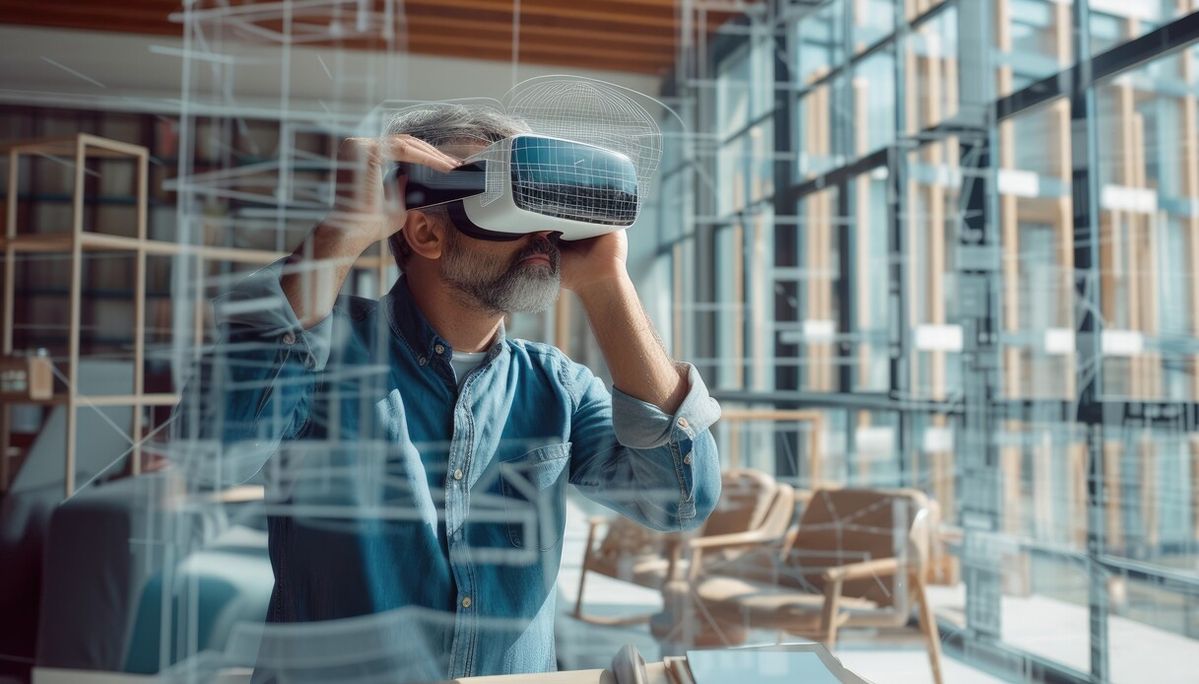
VR solutions are especially relevant if your company faces any of the following challenges:
- complex employee training;
- expensive equipment;
- a high cost of mistakes;
- critical safety requirements;
- workforce scaling;
- complex production processes;
- the need to demonstrate a sophisticated product or technology.
In such situations, VR enables companies to create a controlled environment for training, demonstrations, and skill development without exposing the business to unnecessary risks.
Modern VR simulators have long moved beyond the entertainment industry.
Today, they are practical business tools that help companies:
- train employees faster;
- practice scenarios more safely;
- reduce errors;
- standardize knowledge;
- work with complex equipment;
- demonstrate sophisticated products and technologies.
For manufacturing, logistics, healthcare, agriculture, education, and many other industries, VR has become a tool for improving efficiency, safety, and workforce readiness.
VR simulators are no longer experimental technology, they are practical business solutions for organizations that work with complex processes, expensive equipment, and high competency requirements.
Learn More
Would you like to understand how a VR simulator could work for your business?
Contact us for a consultation. We will help identify the most relevant use cases, evaluate potential benefits, and select the optimal solution for your business needs.